Early Warning Signs of Esophageal Dysfunction
Learn the early warning signs of esophageal dysfunction, including swallowing difficulties, chest discomfort, and reflux symptoms, and why early attention is important for better digestive health.
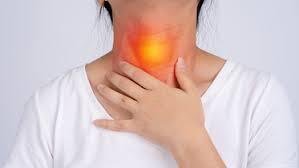
I write this article as a medical professional with years of clinical experience in gastroenterology and as a content strategist who understands what patients and caregivers genuinely want to know. I speak directly to you because esophageal symptoms often feel confusing, worrying, and easy to dismiss. I want to help you recognise early signs, act promptly, and feel confident discussing concerns with a healthcare professional.
Esophageal dysfunction affects how food and liquid move from your mouth to your stomach. When this process changes, even slightly, your body often sends subtle signals. Paying attention to these signals can protect your long-term health and prevent complications.
Why early symptoms matter more than you think
I often see people who waited months or years before seeking help because symptoms felt mild at first. Early esophageal dysfunction rarely causes dramatic pain. Instead, it presents as daily discomfort, eating changes, or sensations you may brush aside.
Early detection matters because:
- You reduce the risk of chronic inflammation and scarring
- You improve treatment success with less invasive care
- You protect nutrition, hydration, and quality of life
If you listen to your body early, you gain control instead of reacting later.
Difficulty swallowing that appears gradually
One of the earliest warning signs involves swallowing. You may notice that food feels slow to go down or seems to pause behind the breastbone. This sensation often starts with solid foods like bread, meat, or rice.
You might:
- Chew more than usual
- Sip water to push food down
- Avoid eating in public due to discomfort
If swallowing once felt automatic and now requires effort, your oesophagus may not be contracting properly. This change deserves medical attention even if it happens only occasionally.
A feeling of food sticking in your chest
Many people describe this as food “getting stuck” mid-chest. I take this symptom seriously because it often indicates altered muscle movement or narrowing inside the oesophagus.
You may feel:
- Pressure behind the sternum
- The urge to cough after swallowing
- Relief only after drinking liquids
This sensation differs from choking. You can breathe, but food does not pass smoothly. If this feeling repeats, your oesophagus may struggle to coordinate movement.
Frequent heartburn that does not respond to usual remedies
Heartburn affects many people, but persistent or unusual heartburn can signal dysfunction. If you experience burning that continues despite lifestyle changes or standard antacids, the issue may involve oesophageal motility rather than acid alone.
Warning signs include:
- Burning pain after nearly every meal
- Symptoms that worsen when lying down
- Discomfort that spreads to the back or neck
If heartburn changes in pattern or intensity, I recommend seeking further assessment rather than increasing self-treatment.
Chest pain that feels unrelated to the heart
Chest pain always causes anxiety, and rightly so. Once cardiac causes get excluded, oesophageal dysfunction often explains ongoing discomfort.
You may feel:
- Tightness during or after meals
- Pain triggered by hot or cold drinks
- Spasms that come and go unpredictably
Oesophageal muscle spasms can mimic cardiac pain closely. Never ignore chest pain, but once heart disease is ruled out, ask about oesophageal causes.
Regurgitation of food or liquid
Regurgitation differs from vomiting. Food returns to your mouth without nausea or retching. This symptom often indicates poor movement of food through the oesophagus.
You may notice:
- Undigested food returning hours after eating
- Sour or bitter taste without stomach upset
- Symptoms worsening when bending forward
This sign often points to impaired clearance within the oesophagus and deserves prompt evaluation.
Chronic coughing or throat clearing
Your oesophagus and airway sit close together. When oesophageal function changes, irritation can affect your throat and lungs.
You might experience:
- Persistent dry cough without infection
- Frequent throat clearing
- Hoarseness in the morning
These symptoms often worsen at night. If cough treatments fail, consider oesophageal causes rather than respiratory ones.
Unexplained weight loss or reduced appetite
I always ask about weight changes because eating difficulties often reduce intake without conscious effort. You may eat smaller portions or skip meals to avoid discomfort.
Warning signs include:
- Clothes fitting looser without intention
- Fatigue due to reduced nutrition
- Anxiety around mealtimes
Weight loss combined with swallowing changes requires medical review without delay.
Sensation of a lump in the throat
Many patients describe a constant lump or tightness in the throat, even when not eating. This sensation, known as globus, often links to oesophageal or reflux-related issues.
You may notice:
- Symptoms improving while eating
- Worsening during stress
- No visible swelling on examination
Although anxiety can contribute, persistent symptoms still require physical assessment.
Recurrent hiccups or belching
Occasional hiccups happen to everyone. Frequent hiccups or excessive belching can reflect irritation or abnormal pressure changes within the oesophagus.
You might find:
- Hiccups triggered by meals
- Belching without relief
- Discomfort after fizzy drinks
These symptoms often accompany motility disorders and should not be ignored when persistent.
Night-time symptoms that disturb sleep
Oesophageal dysfunction often worsens when lying flat. Night-time symptoms provide valuable clues.
Watch for:
- Waking with chest discomfort
- Coughing during sleep
- Bitter taste in the mouth upon waking
Sleep disruption affects overall health and often signals reflux-related oesophageal problems.
Anxiety around eating and social situations
Physical symptoms frequently affect emotional wellbeing. You may start planning meals carefully or avoiding restaurants.
You may feel:
- Fear of choking in public
- Embarrassment over coughing or regurgitation
- Stress before meals
These behavioural changes often reflect underlying physical difficulty rather than simple anxiety.
Conditions linked with esophageal dysfunction
Several medical conditions increase risk. If you live with any of the following, early symptom awareness becomes even more important:
- Long-term reflux disease
- Diabetes affecting nerves
- Autoimmune disorders
- Previous chest or neck surgery
In some cases, symptoms relate to conditions such as achalasia. Many people explore a Natural Remedy for Achalasia or Home Remedies for Achalasia alongside medical care to support symptom management.
When symptoms suggest a more specific disorder
Oesophageal dysfunction includes several patterns. One example involves poor relaxation of the lower oesophageal muscle, leading to difficulty passing food into the stomach. Early signs often include slow swallowing, chest discomfort, and regurgitation.
If symptoms persist or worsen, doctors may recommend:
- Endoscopy
- Oesophageal manometry
- Barium swallow studies
Testing helps clarify the cause and guides safe treatment choices.
The role of lifestyle adjustments
I often encourage simple adjustments alongside medical care. These changes do not replace diagnosis, but they may ease symptoms.
Helpful steps include:
- Eating slowly and chewing thoroughly
- Avoiding late-night meals
- Staying upright after eating
- Reducing very hot or cold foods
Some people also explore supportive options such as Pure Health Dietary Supplements after discussing safety with a healthcare professional.
When to seek medical help urgently
Do not delay medical advice if you notice:
- Progressive swallowing difficulty
- Food getting stuck completely
- Persistent chest pain
- Vomiting blood or black stools
These signs require urgent evaluation.
Talking to your doctor with confidence
Many patients worry about explaining symptoms clearly. I suggest keeping notes for a few weeks.
Record:
- What you eat
- When symptoms occur
- Foods that worsen or ease discomfort
- Night-time symptoms
Clear information helps your doctor identify patterns and choose appropriate tests.
Living well while awaiting diagnosis
Waiting for tests can feel stressful. Focus on maintaining nutrition and comfort during this time.
You can:
- Choose softer foods
- Use soups and smoothies
- Eat smaller, more frequent meals
If anxiety increases, speak openly with your healthcare provider. Mental wellbeing matters as much as physical health.
Why early action protects long-term health
Untreated oesophageal dysfunction can lead to complications such as inflammation, narrowing, or aspiration into the lungs. Early recognition gives you more treatment options and better outcomes.
By paying attention to early signs, you:
- Maintain safer swallowing
- Preserve nutrition
- Reduce chronic discomfort
Your body communicates clearly when something changes. Listening early makes a meaningful difference.
Final thoughts
Esophageal dysfunction rarely appears suddenly. It develops quietly, with small changes that grow over time. If you notice difficulty swallowing, chest discomfort, regurgitation, or persistent throat symptoms, take them seriously.
I encourage you to trust your instincts, seek professional advice, and ask questions without hesitation. Early awareness allows effective care, reassurance, and a return to comfortable eating and daily life.
What's Your Reaction?