Natural Ways to Reduce Chest Wall Inflammation Without Medication
Discover natural ways to reduce chest wall inflammation without medication. Learn effective home remedies, lifestyle changes, breathing exercises, and anti-inflammatory foods to ease pain and support faster healing naturally.
Chest wall inflammation can cause sharp, aching, or burning pain that makes every breath feel uncomfortable. You may notice pain when you press on your chest, twist your upper body, cough, or lie on one side. Many people fear heart problems when chest pain starts, but inflammation of the chest wall muscles and joints is a common and treatable cause.
As a medical professional with experience in musculoskeletal and inflammatory conditions, I often support patients who want relief without relying heavily on medication. I explain practical, evidence-based steps you can take to reduce chest wall inflammation naturally and safely.
What Is Chest Wall Inflammation?
Chest wall inflammation affects the muscles, cartilage, or joints that connect your ribs to your breastbone (sternum). A common example is Costochondritis, where the cartilage between the ribs and sternum becomes inflamed.
You may experience:
- Localised chest pain that worsens with movement
- Tenderness when you press the chest area
- Pain that increases with deep breathing or coughing
- Discomfort that spreads to the shoulders or upper back
Unlike heart-related pain, chest wall inflammation often feels sharper and becomes worse with physical movement or pressure.
Why Does Chest Wall Inflammation Happen?
Several triggers can irritate the chest wall:
- Repetitive upper body strain (lifting, gym workouts, heavy bags)
- Persistent coughing after respiratory infections
- Poor posture, especially desk-based work
- Stress and muscle tension
- Minor trauma to the chest
- Inflammatory conditions
If you work long hours at a desk or carry heavy items daily, your rib joints and surrounding muscles may stay under constant strain. Over time, this leads to irritation and inflammation.
Natural Ways to Reduce Chest Wall Inflammation
Below are practical methods you can use to support healing without medication.
1. Rest and Activity Modification
Rest does not mean complete inactivity. It means reducing movements that trigger pain.
I advise patients to:
- Avoid heavy lifting
- Pause high-impact exercise
- Limit push-ups, bench presses, or intense upper body workouts
- Reduce repetitive arm movements
You can continue gentle walking, light stretching, and daily activities that do not worsen pain.
Inflammation settles faster when you remove the mechanical stress that caused it.
2. Apply Heat or Cold Therapy
Both heat and cold can help. Choose based on how your body responds.
Cold Therapy (First 48–72 Hours)
- Reduces swelling
- Numbs sharp pain
- Apply for 10–15 minutes
Heat Therapy (After Acute Phase)
- Relaxes tight muscles
- Improves blood flow
- Apply for 15–20 minutes
Never place ice or heat directly on bare skin. Always use a cloth barrier.
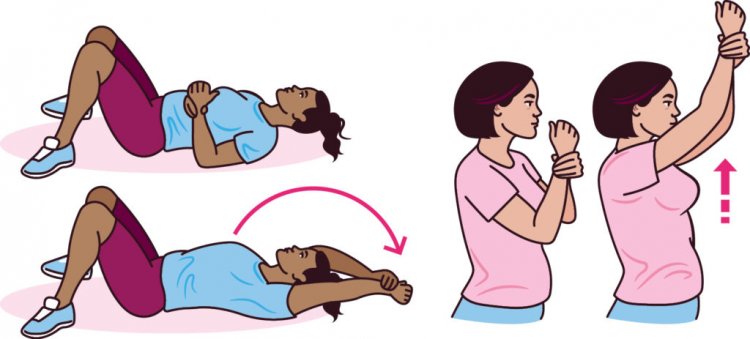
3. Gentle Stretching and Mobility Work
When pain begins to settle, gentle stretching helps prevent stiffness.
Try:
- Chest-opening stretches
- Shoulder rolls
- Upper back extension exercises
- Deep breathing expansion exercises
Avoid forcing any movement. Stretch until mild tension, not pain.
If symptoms persist, a physiotherapist can guide you through safe rehabilitation exercises.
4. Improve Posture
Poor posture places continuous strain on rib joints.
If you sit for long hours:
- Keep shoulders relaxed and slightly back
- Keep your screen at eye level
- Use a supportive chair
- Take breaks every 30–60 minutes
I often see improvement in chest wall pain once patients correct rounded shoulders and forward head posture.
5. Breathing Techniques
Shallow breathing increases muscle tension in the chest.
Practise diaphragmatic breathing:
- Sit upright.
- Place one hand on your abdomen.
- Inhale slowly through your nose, expanding your abdomen.
- Exhale gently through your mouth.
Do this for 5–10 minutes daily. It reduces tension and supports circulation in inflamed tissues.
6. Anti-Inflammatory Diet Choices
Food influences inflammation levels in your body.
Increase:
- Oily fish (salmon, sardines)
- Leafy greens
- Berries
- Olive oil
- Nuts and seeds
- Turmeric and ginger
Reduce:
- Processed foods
- Excess sugar
- Refined carbohydrates
- Fried foods
Hydration also plays a role. Drink sufficient water daily to support tissue recovery.
7. Maintain a Healthy Weight
Excess body weight increases strain on the musculoskeletal system, including the chest and upper back.
Even modest weight loss can reduce overall inflammatory load and improve mobility.
8. Sleep Position Adjustment
Sleep influences inflammation and pain perception.
Try:
- Sleeping on your back with a small pillow supporting your upper back
- Avoiding pressure on the painful side
- Using a supportive mattress
If pain worsens at night, your sleeping posture may be contributing.
9. Stress Reduction
Stress increases muscle tension and inflammatory markers.
Helpful techniques include:
- Meditation
- Gentle yoga
- Mindfulness breathing
- Light walking outdoors
Chronic stress keeps muscles tight around the rib cage. When you relax the nervous system, you reduce physical tension.
10. Natural Supplements for Inflammation Support
Some individuals consider supplements to support inflammation control. If you are exploring options, you may come across articles discussing Costochondritis Natural Supplements and broader inflammation support strategies.
Common supplements studied for inflammation include:
- Omega-3 fatty acids
- Turmeric (curcumin)
- Vitamin D
- Magnesium
- Boswellia
Before starting any supplement, consult your GP or pharmacist, especially if you take other medication or have underlying conditions.
You can also explore related approaches in our article on Natural Remedies for Costochondritis, where we discuss broader non-drug strategies for managing rib joint inflammation.
If you purchase supplements, ensure you use reputable sources such as Best Vitamins and Supplements Products Online UK to maintain safety and quality standards.
How Long Does Chest Wall Inflammation Last?
Most mild cases improve within:
- A few days to two weeks
Moderate cases may last:
- Four to eight weeks
Persistent inflammation beyond three months may require further assessment.
Early management improves recovery time.
When Should You Seek Medical Attention?
Although chest wall inflammation is common, you must seek urgent medical care if you experience:
- Crushing chest pain
- Pain spreading to the arm or jaw
- Shortness of breath
- Sweating and dizziness
- Nausea
These symptoms may indicate heart-related issues and require immediate evaluation.
If your pain:
- Persists despite rest
- Worsens steadily
- Follows significant trauma
- Occurs with fever
Book an appointment with your GP.
Can Exercise Help Long Term?
Yes. Once pain reduces, strengthening the upper back and shoulder muscles helps prevent recurrence.
Focus on:
- Scapular stabilisation exercises
- Resistance band rows
- Core strengthening
- Postural retraining
Avoid returning to intense chest workouts too quickly.
Gradual progression prevents flare-ups.
Common Mistakes That Delay Recovery
I often see recovery delayed by:
- Continuing heavy workouts
- Ignoring posture
- Sleeping on the painful side
- Self-diagnosing without medical evaluation
- Relying solely on painkillers without addressing cause
Inflammation improves when you remove triggers and support tissue repair.
Frequently Asked Questions
Is chest wall inflammation dangerous?
In most cases, it is uncomfortable but not dangerous. Always rule out heart causes first if pain is new or severe.
Can anxiety worsen chest wall pain?
Yes. Anxiety increases muscle tension and can intensify pain perception.
Can I massage the painful area?
Gentle massage around the surrounding muscles can help. Avoid pressing directly on inflamed rib joints.
Is heat better than ice?
Cold helps early inflammation. Heat helps muscle tightness later. Use what feels most effective.
Practical Daily Plan for Recovery
Morning:
- Gentle breathing exercises
- Light stretching
Daytime:
- Maintain good posture
- Take movement breaks
Evening:
- Heat therapy
- Relaxation practice
Weekly:
- Gradual strengthening exercises
Consistency leads to steady improvement.
Final Thoughts
Chest wall inflammation can feel alarming, especially when pain affects your breathing. The good news is that most cases respond well to simple, natural measures.
By modifying activity, improving posture, eating anti-inflammatory foods, managing stress, and supporting recovery through safe supplements where appropriate, you give your body the best chance to heal.
If symptoms persist or cause concern, seek professional advice. Early assessment ensures you receive the right diagnosis and treatment.
With a structured, patient approach, you can reduce chest wall inflammation without medication and return to normal activity safely.
What's Your Reaction?