Lichen Planus Mouth Cause and Symptoms: What Should You Know
Understanding Lichen Planus Mouth Cause and Symptoms can help you recognize changes inside your mouth, understand possible triggers, and seek appropriate medical care. Oral lichen planus is a chronic inflammatory condition that affects the mucous membranes lining the mouth
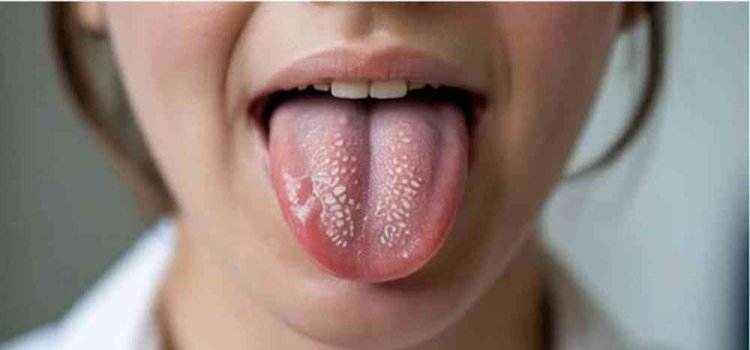
Understanding Lichen Planus Mouth Cause and Symptoms can help you recognize changes inside your mouth, understand possible triggers, and seek appropriate medical care. Oral lichen planus is a chronic inflammatory condition that affects the mucous membranes lining the mouth. It may cause white patches, red areas, burning sensations, swollen gums, or painful sores. While some people experience mild symptoms, others find that the condition affects eating, drinking, speaking, and maintaining their usual oral hygiene routine.
The exact cause of oral lichen planus remains uncertain. Researchers believe that an abnormal immune response plays an important role. Certain medications, dental materials, local irritation, and other factors may also contribute to similar oral reactions or worsen existing discomfort.
Learning about the condition is an important step toward protecting your oral health. This article explains the possible causes, common symptoms, types, diagnosis, treatment options, and supportive home-care practices. It also discusses Natural Treatment for Lichen Planus, Herbal Remedies for Lichen Planus, and how to evaluate Herbal Care Products responsibly.
What Is Oral Lichen Planus?
Oral lichen planus is an inflammatory condition that affects the soft tissues inside the mouth. It commonly involves the inner cheeks, gums, and tongue, although other oral surfaces may also be affected.
The condition is considered immune-mediated because certain immune cells mistakenly attack cells in the lining of the mouth. This reaction causes inflammation and visible changes in the affected tissues.
Oral lichen planus is not considered contagious. It cannot be transmitted through kissing, sharing utensils, drinking from the same glass, or ordinary personal contact.
Symptoms can persist for years, with periods of improvement followed by flare-ups. Some people develop painless white markings, while others experience painful inflammation or ulcers that require treatment.
Because several other oral conditions can look similar, a dentist or qualified healthcare professional should evaluate persistent changes rather than relying on appearance alone.
Lichen Planus Mouth Cause: What Triggers Oral Lichen Planus?
There is no single confirmed cause of oral lichen planus. However, researchers have identified several factors that may be relevant to the development or worsening of oral inflammation.
1. An Abnormal Immune Response
The immune system normally protects the body against harmful organisms and abnormal cells. In oral lichen planus, certain immune cells attack the basal cells that form the lower layer of the oral lining.
This activity produces inflammation and changes in the affected tissues. Researchers continue to investigate why this reaction develops in some individuals.
Although oral lichen planus is often described as an autoimmune or immune-mediated condition, its precise biological mechanisms are not fully understood.
2. Stress and Emotional Pressure
Some people notice that their oral symptoms become more noticeable during stressful periods. Emotional pressure may affect how a person experiences discomfort and could be associated with symptom flare-ups.
However, stress has not been established as the sole cause of oral lichen planus. Developing the condition does not mean that someone has failed to manage stress properly.
Relaxation exercises, sufficient sleep, regular activity, and other healthy habits may support general well-being, but they should not be considered a cure.
3. Certain Medications
Some medicines have been associated with lichenoid reactions, which can resemble oral lichen planus. These reactions may develop after exposure to particular medications.
A healthcare professional may consider when symptoms began, which medicines a person takes, and where the lesions appear when assessing a possible connection.
Never stop a prescribed medicine without medical advice. If your symptoms began after starting a new medication, discuss the timing with your doctor or dentist.
4. Dental Materials and Local Irritation
In some cases, inflammation resembling oral lichen planus occurs near dental fillings, crowns, or other restorative materials. A contact reaction may be responsible in selected individuals.
Repeated friction from rough teeth, poorly fitting dental appliances, or other sources of irritation can also aggravate sensitive tissues.
These factors do not explain every case. Replacing dental restorations or changing dental materials is not routinely necessary unless a qualified professional identifies a plausible connection.
5. Other Possible Influences
Researchers have investigated possible associations between oral lichen planus and infections, other inflammatory conditions, and environmental factors. Some findings vary between populations, and an association does not automatically establish cause and effect.
Tobacco, alcohol, and irritating oral products may also affect oral health or aggravate discomfort. Avoiding irritants can be a reasonable supportive measure, but it does not eliminate the underlying immune-related process.
Understanding Lichen Planus Mouth Cause and Symptoms therefore requires considering the individual's medical history, oral examination, and potential contributing factors.
Common Lichen Planus Mouth Symptoms
The symptoms of oral lichen planus vary according to the type of inflammation and the areas affected. Some people notice changes in appearance without pain, while others experience significant discomfort.
1. White, Lace-Like Patches
One of the characteristic symptoms is a network of thin, white lines inside the cheeks. These markings may form a delicate, lace-like pattern associated with the reticular form of oral lichen planus.
White patches may also appear on the tongue or gums. They are often painless and may be discovered during a routine dental examination.
Persistent white patches can have other causes, so professional assessment is important.
2. Redness and Inflammation
Some people develop red, swollen areas inside the mouth. The gums may become tender or sensitive during brushing.
Redness may appear alongside white markings or occur where the oral lining has become thin or damaged. These changes can make everyday oral hygiene uncomfortable.
3. Painful Sores and Ulcers
The erosive form of oral lichen planus can produce raw areas, erosions, and painful ulcers. These lesions may interfere with eating, drinking, and speaking.
Persistent or changing sores should be examined by a dentist or oral medicine specialist rather than automatically attributed to lichen planus.
4. Burning or Stinging Sensations
A burning sensation is another common complaint, particularly when inflamed tissues come into contact with irritating foods or drinks.
Potential triggers include:
- Citrus fruits, such as lemons and oranges.
- Spicy foods containing chilli or strong seasonings.
- Salty snacks and heavily seasoned meals.
- Very hot foods and beverages.
- Acidic drinks and vinegar-based products.
Individual triggers vary. Keeping track of foods that cause discomfort may help you make suitable dietary choices.
5. Gum Sensitivity and Bleeding
When oral lichen planus affects the gums, the tissues may become red, tender, or fragile. Brushing may cause discomfort or bleeding.
Bleeding gums can also indicate gingivitis, periodontal disease, or another oral health problem. Gentle brushing remains important, and a dentist can recommend suitable techniques if the gums are painful.
6. Tongue and Inner Lip Changes
Oral lichen planus may affect the tongue, producing white markings, redness, tenderness, or painful areas. The inner surfaces of the lips can also become involved.
Symptoms depend on the location and severity of inflammation. Some people experience several symptoms simultaneously, while others notice only one persistent change.
Types of Oral Lichen Planus
Oral lichen planus can appear in several clinical forms.
Reticular Oral Lichen Planus
This form commonly produces thin, white, lace-like lines inside the cheeks. It is often painless and may not require medication when symptoms are absent, although monitoring remains important.
Erosive Oral Lichen Planus
Erosive oral lichen planus causes red, inflamed tissues and painful erosions or ulcers. Eating and drinking may become difficult, making professional treatment particularly important.
Atrophic Oral Lichen Planus
This form involves thinning or inflammation of the affected oral lining, creating smooth, red areas. It may overlap with erosive disease and cause tenderness or sensitivity.
These patterns can overlap, and appearance alone cannot always confirm the diagnosis. A clinician may recommend a biopsy or other investigations when necessary.
How Is Oral Lichen Planus Diagnosed?
If you notice persistent white patches, unexplained mouth sores, or ongoing gum inflammation, arrange an examination with a dentist or healthcare professional.
Diagnosis usually begins with a review of your symptoms, medical history, dental history, and medications. The clinician examines the mouth to assess the location, appearance, and distribution of the affected areas.
Depending on the findings, additional investigations may include:
- Oral biopsy: A small tissue sample is examined under a microscope to help confirm the diagnosis and rule out other conditions.
- Swab or culture: A sample may be collected if a fungal or other infection is suspected.
- Blood tests: These may be appropriate when another medical condition is suspected.
- Contact allergy assessment: Selected cases may require investigation of a possible reaction to dental materials or other substances.
Not everyone requires every test. The appropriate approach depends on the clinical findings.
Conditions such as oral candidiasis, leukoplakia, and other inflammatory disorders can resemble oral lichen planus. A professional assessment helps distinguish between them.
Treatment Options for Oral Lichen Planus
There is no universally effective cure for oral lichen planus. Treatment aims to control inflammation, reduce pain, maintain oral health, and monitor changes over time.
1. Prescription Corticosteroids
Topical corticosteroids are commonly used when oral lichen planus causes painful inflammation or erosions. Depending on the affected area, a clinician may prescribe a gel, paste, spray, or mouth rinse.
These medicines reduce inflammation and may improve symptoms. The choice of treatment and duration depend on the severity of the condition and the person's overall health.
Corticosteroids can sometimes encourage oral yeast infections, so follow-up may be necessary.
2. Treatment for Severe Symptoms
When symptoms are severe or difficult to control, a specialist may consider other prescription treatments. In selected cases, treatment may involve additional immune-modulating medicines or corticosteroids taken by mouth.
These medicines require individualized medical assessment because their benefits and potential side effects vary.
3. Professional Dental Care
Regular dental examinations help monitor oral tissues, manage gum problems, and identify other causes of pain or bleeding.
A dentist may also check whether rough dental surfaces, poorly fitting appliances, or a suspected contact reaction contribute to discomfort.
4. Regular Monitoring
Oral lichen planus may improve and then return. Continued follow-up is important, particularly when symptoms are persistent or erosive.
The condition is associated with a small increased risk of oral cancer. This does not mean that cancer will develop, but it makes regular examinations and prompt assessment of suspicious changes important.
Natural Treatment for Lichen Planus: Supportive Home Care
Many people explore a Natural Treatment for Lichen Planus to help manage discomfort and support oral health. Gentle home-care practices may reduce irritation, but they should not replace professional diagnosis or prescribed treatment.
1. Choose Soft, Non-Irritating Foods
Soft foods may be easier to eat when the mouth is sore. Options include oatmeal, soft rice, scrambled eggs, steamed vegetables, and mild soups cooled to a comfortable temperature.
Avoid foods that repeatedly trigger burning or pain. You do not need to eliminate every potentially irritating food if it does not affect your symptoms.
Aim for a balanced diet that provides sufficient protein, vitamins, minerals, and fluids.
2. Maintain Gentle Oral Hygiene
Use a soft-bristled toothbrush and gentle movements. If regular toothpaste causes burning, ask your dentist about a mild, unflavoured alternative.
An alcohol-free mouthwash may be more comfortable than an alcohol-containing product. Avoid vigorous brushing or scraping of inflamed areas.
If gum pain makes brushing difficult, seek advice about appropriate oral hygiene techniques.
3. Identify Personal Triggers
A symptom diary may help you recognize patterns between flare-ups and certain foods, oral hygiene products, or medication changes.
Record when symptoms occur and whether any new products or medicines were introduced. Share relevant observations with your healthcare professional.
Do not discontinue prescribed medication or make major dietary changes without appropriate advice.
4. Support General Well-Being
Relaxation exercises, regular sleep, walking, and mindfulness may help you manage stress. These habits support general health but are not proven cures for oral lichen planus.
Herbal Remedies for Lichen Planus: What Should You Know?
Interest in Herbal Remedies for Lichen Planus often comes from a desire to find gentle ways to relieve oral discomfort. However, evidence supporting herbal treatments specifically for oral lichen planus remains limited.
A product described as natural is not automatically safe, especially when applied directly to inflamed oral tissues.
Before using an herbal preparation, consider the following precautions:
- Check the ingredients: Review the complete ingredient list and avoid substances that have previously caused irritation or allergic reactions.
- Consult a professional: A dentist or pharmacist can help assess whether an ingredient is appropriate alongside your current treatment.
- Avoid untested oral applications: Concentrated essential oils, strong herbal extracts, and homemade preparations may irritate damaged tissue.
- Follow product directions: Do not swallow products intended only for topical use.
- Monitor your response: Stop using a product that appears to increase burning, redness, swelling, or soreness and seek professional advice.
What About Herbal Care Products?
People researching Herbal Care Products may encounter supplements marketed for inflammatory conditions, oral discomfort, or general wellness. Before purchasing a product, check whether its ingredients, intended use, safety information, and supporting evidence are clearly explained.
Do not assume that a supplement treats the immune process responsible for oral lichen planus or that customer testimonials prove effectiveness. Products marketed for other forms of lichen planus may not be appropriate for oral use.
There is an important difference between supporting general health and treating a medical condition. Balanced nutrition and appropriate oral hygiene can support well-being, but they cannot be relied upon to control every case of oral lichen planus.
Do not use herbal products as a substitute for prescribed corticosteroids, dental examinations, or a biopsy when recommended. Discuss supplements and herbal preparations with your healthcare professional before using them.
When Should You See a Dentist or Doctor?
Seek professional advice if you notice persistent white patches, recurring mouth ulcers, unexplained gum inflammation, or a burning sensation that does not improve.
Prompt assessment is particularly important if you experience:
- A mouth ulcer that does not heal within two to three weeks.
- A new lump or thickened area inside the mouth.
- A persistent red or white patch.
- Unexplained bleeding or worsening pain.
- Difficulty swallowing or eating.
- Unintentional weight loss because eating has become painful.
Difficulty swallowing, rapidly increasing swelling, or trouble breathing requires urgent medical attention.
These symptoms do not automatically indicate cancer or another serious illness. However, they should not be ignored or self-diagnosed as an ordinary lichen planus flare-up.
Frequently Asked Questions
1. What is the main Lichen Planus Mouth Cause and Symptoms?
The exact cause is unknown, but an abnormal immune response is believed to contribute to oral lichen planus. Symptoms include white, lace-like patches, red inflamed tissues, burning, gum sensitivity, and painful ulcers. Not everyone experiences pain.
2. Is oral lichen planus contagious?
No. Oral lichen planus is not considered contagious and cannot be spread through kissing, sharing food, or ordinary personal contact.
3. Can oral lichen planus go away permanently?
The condition may improve or remain symptom-free for long periods, but it can also persist for years and return after improving. There is no universally effective cure, so symptom management and follow-up are important.
4. What foods should I avoid?
Limit spicy, acidic, salty, very hot, or crunchy foods if they aggravate your symptoms. Softer foods and comfortable drinking temperatures may make eating easier. Individual triggers vary.
5. Can Herbal Remedies for Lichen Planus cure mouth lesions?
There is insufficient reliable evidence to conclude that herbal remedies cure oral lichen planus. Some products may irritate the mouth or interact with medicines. Discuss any proposed remedy with your healthcare professional before using it.
6. Does oral lichen planus increase the risk of mouth cancer?
Oral lichen planus is associated with a small increased risk of oral cancer. The absolute risk is low, but regular monitoring is important, particularly for persistent or changing lesions. Any unusual ulcer, lump, or tissue change should be examined promptly.
Conclusion
Understanding Lichen Planus Mouth Cause and Symptoms helps you recognize potential signs of oral inflammation and take appropriate steps to protect your oral health. Although the exact cause remains uncertain, an immune-mediated reaction is thought to play a central role. Stress, certain medicines, dental materials, and local irritation may contribute to symptoms or similar inflammatory reactions in some individuals.
White, lace-like patches may cause little discomfort, whereas red, erosive lesions can make eating, drinking, and brushing painful. A professional examination is essential for confirming the diagnosis, determining whether treatment is needed, and arranging regular monitoring.
A thoughtful approach to a Natural Treatment for Lichen Planus includes gentle oral hygiene, avoiding individual food triggers, managing stress, and maintaining a balanced diet. Although Herbal Remedies for Lichen Planus and Herbal Care Products may attract interest, they should not be regarded as proven cures.
The most responsible approach combines appropriate professional care, symptom management, and regular follow-up. If you notice persistent oral changes or symptoms that worsen, consult a dentist or healthcare professional rather than relying on self-treatment alone.
What's Your Reaction?