How Chronic Lung Conditions Affect Daily Energy Levels
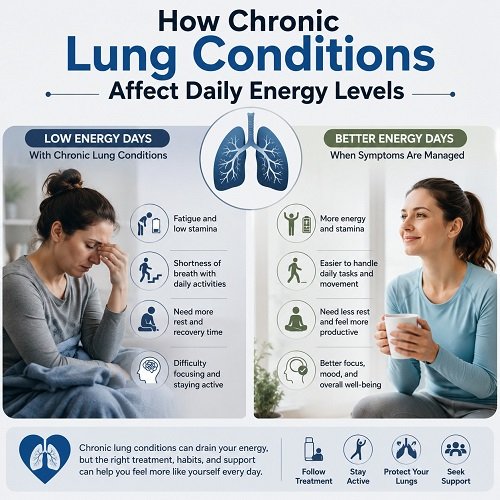
Living with a chronic lung condition changes far more than breathing alone. I see this daily in clinical practice and through years of health content work with patients and carers. Fatigue often becomes the most frustrating symptom, even more disruptive than breathlessness. Many people tell me, “I wake up tired,” or “I run out of energy before lunchtime.” This article speaks directly to those experiences and explains, in clear terms, why long-term lung disease drains daily energy and what practical steps help restore balance.
I focus on people living with conditions such as COPD, asthma, bronchiectasis, pulmonary fibrosis, and chronic infections. I also speak to carers who want to support loved ones without causing harm or exhaustion themselves. Throughout, I use plain British English, active voice, and real-world examples that reflect everyday life.
What energy really means when you live with a lung condition
Energy is not just physical strength. It includes mental focus, emotional resilience, and the ability to complete daily tasks without feeling wiped out. Chronic lung conditions place constant demands on all three.
Breathing requires effort that healthy lungs usually handle without conscious thought. When lung tissue becomes damaged, inflamed, or blocked by mucus, the body works harder for every breath. That extra work steals energy from muscles, digestion, concentration, and even mood.
Many people assume tiredness means poor sleep or ageing. In reality, lung disease creates a continuous energy drain, even on “good breathing days.”
Why breathing problems lead to constant fatigue
Increased oxygen demand
Healthy lungs move oxygen into the bloodstream efficiently. Chronic lung disease reduces that efficiency. Muscles and organs receive less oxygen, so they fatigue quickly. You may notice heavy legs, weak arms, or shaky hands after small tasks like dressing or cooking.
Low oxygen levels also affect the brain. Many people describe “brain fog,” slower thinking, or poor memory. These symptoms often appear before obvious breathlessness.
Extra muscle effort
Breathing with lung disease activates muscles in the neck, chest, and shoulders far more than usual. These muscles were never designed for constant work. Over time, they tire easily and contribute to aching, stiffness, and exhaustion.
You may feel drained after conversations, phone calls, or eating meals. Talking and chewing both compete with breathing for energy.
Chronic inflammation
Long-term lung conditions trigger ongoing inflammation. Inflammatory chemicals circulate through the body and disrupt normal energy production at a cellular level. This process mirrors the fatigue seen in autoimmune disease or chronic infections.
Inflammation also interferes with sleep quality, appetite, and mood, all of which influence daily stamina.
Sleep problems that worsen daytime exhaustion
Poor sleep plays a major role in low energy. Many people underestimate how much lung disease interferes with rest.
Night-time breathlessness
Lying flat can increase breathlessness. Mucus pools in the airways, and coughing becomes more frequent. Even brief awakenings reduce deep restorative sleep.
Low oxygen during sleep
Some people experience oxygen drops overnight without realising it. Morning headaches, dry mouth, and unrefreshing sleep often signal this problem. Over time, nightly oxygen dips intensify daytime fatigue.
Anxiety-driven insomnia
Breathing difficulty often creates fear, especially at night. Worry about choking, coughing, or breathlessness keeps the nervous system alert when it should rest. That constant alert state drains energy reserves by morning.
The emotional cost of chronic lung disease
Energy does not exist in isolation from mental health. Living with unpredictable symptoms demands constant planning and restraint.
Anxiety and hypervigilance
Many people monitor breathing all day. That vigilance uses mental energy and prevents true relaxation. Even on calm days, the mind stays on guard.
Low mood and motivation
Fatigue often feeds low mood, and low mood worsens fatigue. You may want to stay active but feel discouraged by physical limits. Over time, this cycle reduces confidence and increases isolation.
Addressing emotional wellbeing is not optional. It forms a core part of energy management.
Nutrition and its impact on stamina
Eating well becomes challenging when breathing feels difficult.
Reduced appetite
Shortness of breath often suppresses hunger. Large meals feel exhausting, and weight loss may follow. Loss of muscle mass then worsens weakness and fatigue.
Increased calorie needs
Ironically, people with chronic lung disease often need more calories, not fewer. Breathing burns energy. Inadequate intake leaves the body running on empty.
Nutrient deficiencies
Low levels of iron, vitamin D, magnesium, and B vitamins commonly appear in people with long-term lung conditions. These deficiencies directly affect energy production, muscle strength, and immunity.
Daily activities that quietly drain energy
People often blame themselves for feeling exhausted after “doing very little.” In reality, ordinary tasks demand far more effort with lung disease.
- Showering increases humidity and breathing rate
- Climbing stairs uses oxygen faster than flat walking
- Housework combines bending, lifting, and breath-holding
- Social interactions require talking and emotional engagement
Learning to pace activities, rather than pushing through fatigue, preserves energy and reduces flare-ups.
How flare-ups amplify exhaustion
Exacerbations leave lasting effects long after breathing stabilises.
During flare-ups, infection and inflammation surge. Muscles weaken from reduced activity. Sleep deteriorates. Even after recovery, energy levels may take weeks or months to rebuild.
This delayed recovery explains why many people feel permanently tired, even between obvious breathing episodes.
The role of medications in energy levels
Treatments help breathing but may affect stamina.
Inhalers and steroids
Steroids reduce inflammation but may disrupt sleep and muscle strength with long-term use. Some people notice restlessness or weakness.
Antibiotics
Frequent courses affect gut health, which plays a role in nutrient absorption and energy metabolism.
Medication review with a healthcare professional helps balance symptom control with quality of life.
Gentle movement as an energy protector
It sounds counterintuitive, but appropriate activity improves energy over time.
Pulmonary rehabilitation programmes show strong evidence for reduced fatigue. Controlled exercise improves oxygen use, muscle efficiency, and confidence.
Simple actions help:
- Short walks with rest breaks
- Seated strength exercises
- Breathing techniques that reduce effort
Consistency matters more than intensity.
Practical strategies to manage daily energy
I encourage people to think of energy as a limited resource that needs protection.
Pacing and prioritising
Plan the day around one or two important tasks. Rest before exhaustion appears, not after.
Breathing efficiency
Techniques such as pursed-lip breathing reduce wasted effort and calm the nervous system.
Rest without guilt
Rest is not weakness. It allows recovery and prevents symptom escalation.
Environmental adjustments
Use shower chairs, lightweight cookware, and mobility aids when needed. These tools preserve energy for meaningful activities.
Complementary approaches people often ask about
Many patients explore supportive options alongside medical care. Questions about diet, breathing practices, and herbal products arise frequently.
Some people read about Natural Treatment for Bronchiectasis or Natural Remedies for Bronchiectasis when searching for ways to reduce mucus burden and inflammation. While these approaches do not replace prescribed treatment, they may support overall wellbeing when used responsibly.
Others ask about access to Affordable Herbal Supplement Products UK, particularly when budgets feel stretched by long-term illness. Any supplement use should align with existing medication and professional advice to avoid interactions or false expectations.
Supporting someone with chronic lung fatigue
Carers often struggle to understand why energy fluctuates so widely. Support works best when it respects invisible symptoms.
Helpful actions include:
- Allowing flexible schedules
- Offering practical help without pressure
- Encouraging rest rather than constant activity
- Listening without minimising fatigue
Carer burnout also deserves attention. Shared exhaustion benefits no one.
When to seek professional help
Persistent fatigue deserves proper assessment. Seek advice if:
- Energy levels drop suddenly
- Fatigue limits basic self-care
- Mood changes accompany exhaustion
- Sleep quality worsens without explanation
Addressing oxygen levels, sleep disorders, nutrition, mental health, and medication effects often leads to meaningful improvement.
Looking ahead with realistic expectations
Living with a chronic lung condition means accepting limits without surrendering quality of life. Energy may not return to previous levels, but it can stabilise and improve with the right support.
I encourage people to measure success differently. A day without collapse, a walk without panic, or an afternoon without overwhelming tiredness counts as progress.
Final thoughts
Chronic lung conditions affect daily energy through physical strain, inflammation, disrupted sleep, emotional stress, and nutritional challenges. Fatigue is real, measurable, and worthy of attention.
By respecting energy limits, improving breathing efficiency, addressing sleep and nutrition, and seeking balanced care, many people regain control over daily life. You deserve validation, practical support, and strategies that fit real-world living.
What's Your Reaction?