Natural Therapies That Help Reduce Swelling and Discomfort
Natural therapies that help reduce swelling and discomfort, including herbal remedies, lifestyle tips, and holistic approaches for everyday relief.Discover natural therapies that help reduce swelling and discomfort using gentle, holistic methods to support healing and overall wellness.
Living with persistent swelling and discomfort can drain energy, affect confidence, and interrupt daily routines. Many people want relief options that feel gentle, safe, and supportive of the body rather than aggressive or invasive. I write this from the combined perspective of a medical professional and a long-term health content strategist, speaking directly to patients, caregivers, and anyone searching for practical relief.
This article focuses on natural therapies that help reduce swelling and discomfort across common inflammatory and fluid-retention conditions. I explain how these therapies work, how to use them responsibly, and what realistic results you can expect. I keep the language clear and practical so you can make informed decisions without feeling overwhelmed.
Why swelling and discomfort happen
Swelling usually occurs when fluid builds up in tissues or when inflammation triggers increased blood flow and immune activity. You might notice it in joints, limbs, the abdomen, or specific areas such as the scrotum, breasts, or face. Discomfort often follows because swelling stretches tissues and presses on nearby nerves.
Common triggers include:
- Inflammation from injury or infection
- Poor circulation or lymphatic drainage
- Hormonal changes
- Prolonged sitting or standing
- Diets high in salt or ultra-processed foods
- Certain medical conditions affecting the kidneys, heart, or lymph system
While medical evaluation remains essential for persistent or unexplained swelling, many people find that natural therapies provide meaningful relief alongside professional care.
The role of inflammation in ongoing discomfort
Inflammation acts as the body’s defence mechanism, yet it can cause problems when it becomes prolonged. Chronic inflammation keeps tissues swollen and sensitive, which can turn minor issues into long-term discomfort.
Natural therapies aim to calm inflammatory signals, improve fluid movement, and support tissue repair. I focus on options that work with the body rather than forcing quick changes that rarely last.
Dietary changes that support fluid balance
Food choices directly influence swelling. Even small changes can reduce fluid retention and ease pressure in tissues.
Reduce excess salt
Salt encourages the body to hold onto water. Cutting back on processed foods, ready meals, and salty snacks often leads to visible changes within days.
Increase potassium-rich foods
Potassium helps balance sodium levels. Foods such as bananas, spinach, avocados, and sweet potatoes support healthier fluid regulation.
Choose anti-inflammatory foods
Fresh fruits, vegetables, oily fish, olive oil, nuts, and seeds help reduce inflammatory activity. These foods support blood vessels and tissue health.
Stay well hydrated
Drinking enough water may sound counterintuitive, yet dehydration encourages the body to retain fluid. Consistent hydration improves circulation and lymph flow.
Herbal support for swelling reduction
Herbal medicine has a long history of use for managing swelling and discomfort. Modern research now supports several traditional choices.
Turmeric (curcumin)
Turmeric helps calm inflammatory pathways. Many people use it in cooking or as a supplement, ideally with black pepper to improve absorption.
Ginger
Ginger supports circulation and reduces inflammatory signals. Fresh ginger tea or capsules often ease stiffness and swelling.
Horse chestnut
This herb supports vein strength and fluid movement, especially in leg swelling linked to poor circulation.
Dandelion leaf
Dandelion acts as a gentle natural diuretic. It supports fluid release without the harsh effects of synthetic diuretics.
Always choose high-quality products and speak with a healthcare professional if you take prescribed medicines.
Natural supplements and targeted support
Some conditions involve localised fluid build-up, where targeted supplementation can offer support. People searching for gentle options often explore Natural Supplement for Hydrocele Swelling because these formulations focus on circulation, lymphatic flow, and tissue tone rather than symptom masking.
Similarly, many people read about Natural Remedies to Reduce Hydrocele Size when seeking long-term improvement rather than temporary comfort. These approaches usually combine herbs, minerals, and antioxidants that support the body’s own drainage mechanisms.
If you buy supplements, choose reputable suppliers that provide transparent ingredient lists and quality testing. Many people prefer trusted sources that offer Organic Vitamins and Supplements Online UK because they follow recognised safety and manufacturing standards.
The lymphatic system and swelling relief
The lymphatic system acts as the body’s drainage network. When it slows down, fluid accumulates in tissues.
Natural therapies that support lymphatic flow include:
- Gentle movement such as walking or swimming
- Rebounding on a mini trampoline
- Deep breathing exercises
- Manual lymphatic drainage massage
These practices encourage fluid movement without strain. Consistency matters more than intensity.
The benefit of gentle physical activity
Regular movement remains one of the most effective natural tools for swelling reduction. Muscle contractions act like pumps that push fluid back into circulation.
Helpful activities include:
- Daily walks at a comfortable pace
- Light stretching or yoga
- Swimming or water aerobics
- Cycling on flat terrain
Avoid long periods of inactivity. If you work at a desk, stand up and move every 30–60 minutes.
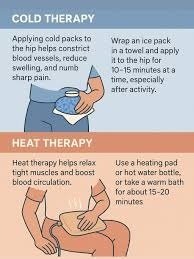
Heat and cold therapy
Temperature therapy offers simple yet effective relief.
Cold therapy
Cold packs reduce inflammation and numb discomfort. Use them for acute swelling or after activity. Apply for 10–15 minutes at a time.
Warm therapy
Heat relaxes tissues and improves circulation. Warm compresses or baths help when stiffness and poor blood flow contribute to swelling.
Listen to your body. If one approach increases discomfort, stop and switch methods.
Compression and supportive garments
Compression garments improve circulation and limit fluid build-up. Many people with leg or scrotal swelling notice reduced discomfort when they use well-fitted support wear.
Choose breathable materials and avoid excessive tightness. Comfort and consistent use matter more than maximum pressure.
Weight management and swelling control
Excess body weight increases pressure on veins and lymphatic vessels. Even modest weight reduction often improves swelling and overall comfort.
Focus on sustainable habits rather than restrictive diets. Balanced meals, regular movement, and adequate sleep support gradual, lasting change.
Sleep position and fluid redistribution
Gravity affects fluid movement during sleep. Elevating affected areas encourages drainage.
Helpful strategies include:
- Elevating legs with pillows
- Using supportive cushions for localised swelling
- Sleeping on the side rather than flat on the back if advised by a clinician
Small adjustments can lead to noticeable morning improvements.
Stress reduction and inflammation
Stress influences inflammation through hormonal pathways. Chronic stress keeps the body in a heightened inflammatory state, which worsens swelling.
Natural stress-management options include:
- Mindful breathing
- Gentle meditation
- Time in nature
- Consistent sleep routines
These practices support the nervous system and reduce inflammatory signals over time.
When swelling affects intimate or sensitive areas
Swelling in sensitive areas often causes embarrassment or anxiety. I encourage open conversations with healthcare professionals because early guidance prevents unnecessary worry.
Natural approaches still play a role here. Supportive underwear, gentle herbal supplements, and dietary adjustments often ease discomfort while medical assessment rules out serious causes.
Safety considerations you should never ignore
Natural therapies offer support, not replacement for medical care. Seek professional advice if swelling:
- Appears suddenly
- Comes with pain, fever, or redness
- Affects breathing or chest comfort
- Persists without improvement
Combining natural strategies with medical guidance often delivers the best outcomes.
Setting realistic expectations
Natural therapies work gradually. Many people notice reduced discomfort within weeks rather than days. I encourage patience and consistency. Track changes in swelling, comfort, and mobility to see what helps most.
Avoid products or programmes promising instant or dramatic results. Sustainable improvement comes from supportive habits and steady care.
Creating a daily routine for swelling management
A simple daily structure helps maintain results:
- Morning hydration and light movement
- Balanced meals with anti-inflammatory foods
- Short movement breaks during the day
- Evening relaxation and gentle stretching
This routine supports circulation, lymph flow, and tissue recovery without adding stress.
Support for caregivers and family members
If you support someone living with chronic swelling, practical help makes a difference. Encourage movement, prepare supportive meals, and help them stay consistent with care routines. Emotional reassurance also eases stress-related inflammation.
Final thoughts
Swelling and discomfort affect physical comfort, emotional wellbeing, and quality of life. Natural therapies offer accessible, gentle support that works alongside medical care rather than replacing it. Through diet, movement, herbal support, stress management, and targeted supplementation, many people experience meaningful relief and improved daily comfort.
I encourage you to listen to your body, stay consistent, and seek professional advice when needed. With steady care and informed choices, natural approaches can play a valuable role in reducing swelling and restoring comfort in everyday life.
What's Your Reaction?